
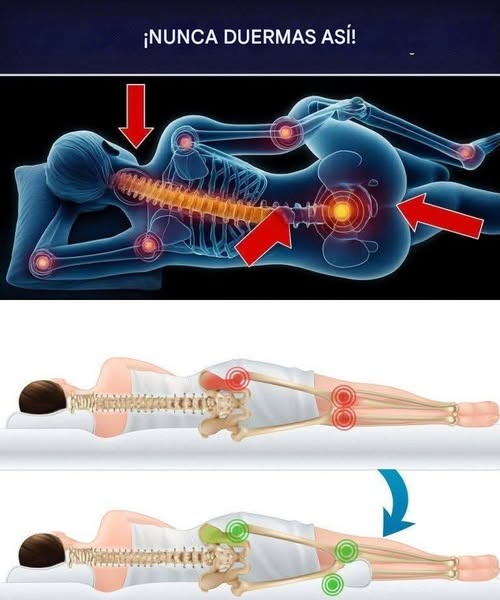
Conditions like arthritis, back pain, and muscle stiffness can make it difficult to sleep comfortably. Even mild pain can cause tossing and turning.
Fix it:
Use supportive pillows, a mattress that fits your sleeping style, and gentle stretching before bed. Warm baths or heat pads can also relax muscles and reduce discomfort.
4. Stress and Overthinking at Night
A busy mind is one of the most common reasons older adults lie awake. Worries about family, health, or finances can make it hard to relax.
Fix it:
Practice calming techniques: deep breathing, light reading, or listening to soft music. Keeping a journal where you write down your thoughts before bed can also help your mind settle down.
5. Medications That Interfere With Sleep
Some medications may cause insomnia, vivid dreams, or nighttime awakenings. These include certain blood pressure drugs, antidepressants, and stimulants.
Fix it:
Never stop a medication on your own, but ask your doctor if your current prescription could be affecting your sleep. They may adjust the dosage or timing.
6. Lack of Daytime Activity
A slower lifestyle can lead to less physical movement, which often results in lighter, less refreshing sleep. Your body rests better at night when it has been active during the day.
Fix it:
Aim for at least 20–30 minutes of walking or gentle exercise daily. Sun exposure in the morning also helps your internal clock stay regulated.
