
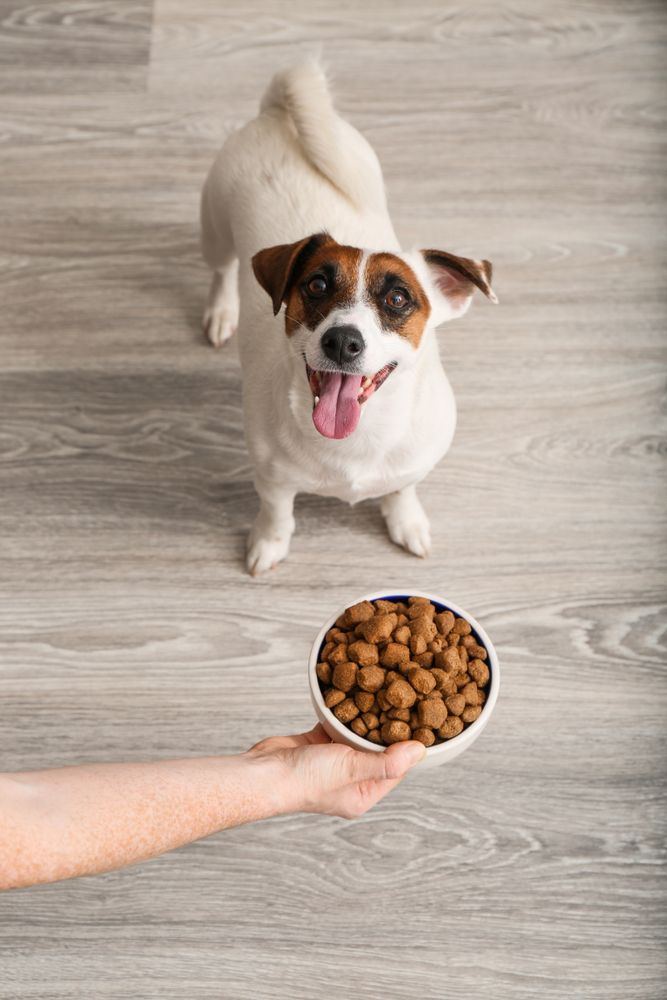
As a dog owner, one of the most important things you can do for your furry friend is ensure they are getting the right nutrition. Just like humans, dogs require a balanced diet to stay healthy, energetic, and happy. But with so many dog food options available—ranging from kibble and canned food to raw diets and homemade meals—knowing how to properly feed your dog can be a bit overwhelming.
In this guide, we’ll break down the essentials of feeding your dog, covering everything from choosing the right food to understanding portion sizes and feeding schedules. Let’s dive in!
1. Understand Your Dog’s Nutritional Needs
Every dog is different, and their nutritional needs depend on several factors such as age, breed, size, activity level, and overall health. Puppies, adult dogs, and senior dogs all have different dietary requirements.
Here’s a quick overview of what your dog needs:
- Protein: Dogs need a high-quality protein source, such as chicken, beef, fish, or lamb, to support muscle growth, repair, and overall health. Protein is the cornerstone of any dog’s diet.
- Fats: Healthy fats, like omega-3 and omega-6 fatty acids, are crucial for maintaining healthy skin, a shiny coat, and good brain function.
- Carbohydrates: While dogs don’t require as many carbohydrates as humans, they still benefit from whole grains, vegetables, and fruits for energy and fiber.
- Vitamins & Minerals: A balanced diet with essential vitamins (A, D, E, K) and minerals (calcium, phosphorus, magnesium) supports strong bones, a healthy immune system, and proper organ function.
When choosing dog food, look for products labeled “complete and balanced,” which ensures they contain the right proportion of nutrients your dog needs.
2. Choose the Right Type of Food
With so many different types of dog food on the market, it’s important to understand the pros and cons of each. Here are some of the most common types:
- Dry Dog Food (Kibble): Kibble is convenient, easy to store, and typically less expensive than wet food. It also helps to keep your dog’s teeth clean by preventing plaque buildup. However, some kibble brands contain fillers and preservatives, so it’s important to choose high-quality options.
- Canned Dog Food: Canned food tends to have a higher moisture content, which is great for dogs who need extra hydration. It’s also typically more palatable and easier to digest, making it a good choice for picky eaters or older dogs with dental issues. However, canned food can be more expensive and may have a shorter shelf life.
- Raw Dog Food: A raw food diet mimics what dogs might eat in the wild, consisting of raw meat, bones, and vegetables. Raw diets can provide excellent nutrition, but they also require careful handling to avoid bacterial contamination and nutrient imbalances. It’s important to consult a veterinarian before switching to a raw diet.
- Homemade Dog Food: If you prefer to cook for your dog, homemade food can be a great option as long as it’s nutritionally balanced. You can make meals with fresh ingredients like chicken, vegetables, and rice, but make sure you’re adding the right vitamins and minerals to meet your dog’s needs. Consult your vet or a pet nutritionist for guidance.
3. Portion Control: How Much to Feed Your Dog
Portion control is crucial to prevent your dog from becoming overweight or underfed. Overfeeding can lead to obesity, which can cause a host of health problems like joint issues, heart disease, and diabetes. On the other hand, underfeeding can result in malnutrition and low energy.
Here are some general guidelines to follow:
- Check the Packaging: Most commercial dog foods provide feeding guidelines based on your dog’s weight and age. These guidelines are a good starting point, but they may need to be adjusted based on your dog’s activity level and metabolism.
- Weigh Your Dog Regularly: If you’re unsure about portion sizes, weighing your dog regularly can help you monitor whether they are maintaining a healthy weight. If they are gaining weight too quickly, reduce portions. If they’re losing weight or seem lethargic, increase their food intake.
- Use a Measuring Cup: It’s easy to overfeed by eyeballing portions. Use a measuring cup to ensure consistency and accuracy when feeding your dog.
4. Establish a Feeding Schedule
Dogs thrive on routine, and having a set feeding schedule can help regulate their digestion and prevent overeating. The number of meals per day depends on your dog’s age and health.
- Puppies generally need to be fed 3-4 times a day.
- Adult dogs typically do well with two meals a day.
- Senior dogs may benefit from smaller, more frequent meals to aid digestion and prevent hunger-related discomfort.
Make sure to feed your dog at the same time each day, and avoid free-feeding (leaving food out all day), as it can lead to overeating and obesity.
5. Don’t Forget Fresh Water
Water is essential for your dog’s health, so make sure they always have access to fresh, clean water throughout the day. Proper hydration helps with digestion, circulation, temperature regulation, and overall well-being.
6. Treats and Snacks: Moderation is Key
While treats are a great way to bond with your dog or reward them for good behavior, they should be given in moderation. Overindulging in treats can lead to weight gain and an unbalanced diet. Keep treats to less than 10% of your dog’s daily caloric intake, and choose healthy, low-calorie options like carrots, green beans, or apple slices.
7. Consult Your Veterinarian
Every dog is unique, and feeding them requires more than just choosing the right food. Health conditions like allergies, sensitivities, or digestive issues may require special diets. Always consult with your veterinarian if you have concerns about your dog’s nutrition or if you plan to make significant changes to their diet.
Conclusion: A Balanced Diet for a Healthy Life
Properly feeding your dog is one of the best ways to ensure they live a long, healthy, and happy life. By providing them with a well-balanced, nutrient-rich diet, controlling portions, and establishing a regular feeding schedule, you can help your dog maintain their energy levels, prevent health issues, and enjoy a vibrant life.
Remember, nutrition plays a major role in your dog’s overall health, so always make sure you’re choosing the best food for their specific needs. Your dog will thank you with years of companionship, loyalty, and happiness.
