
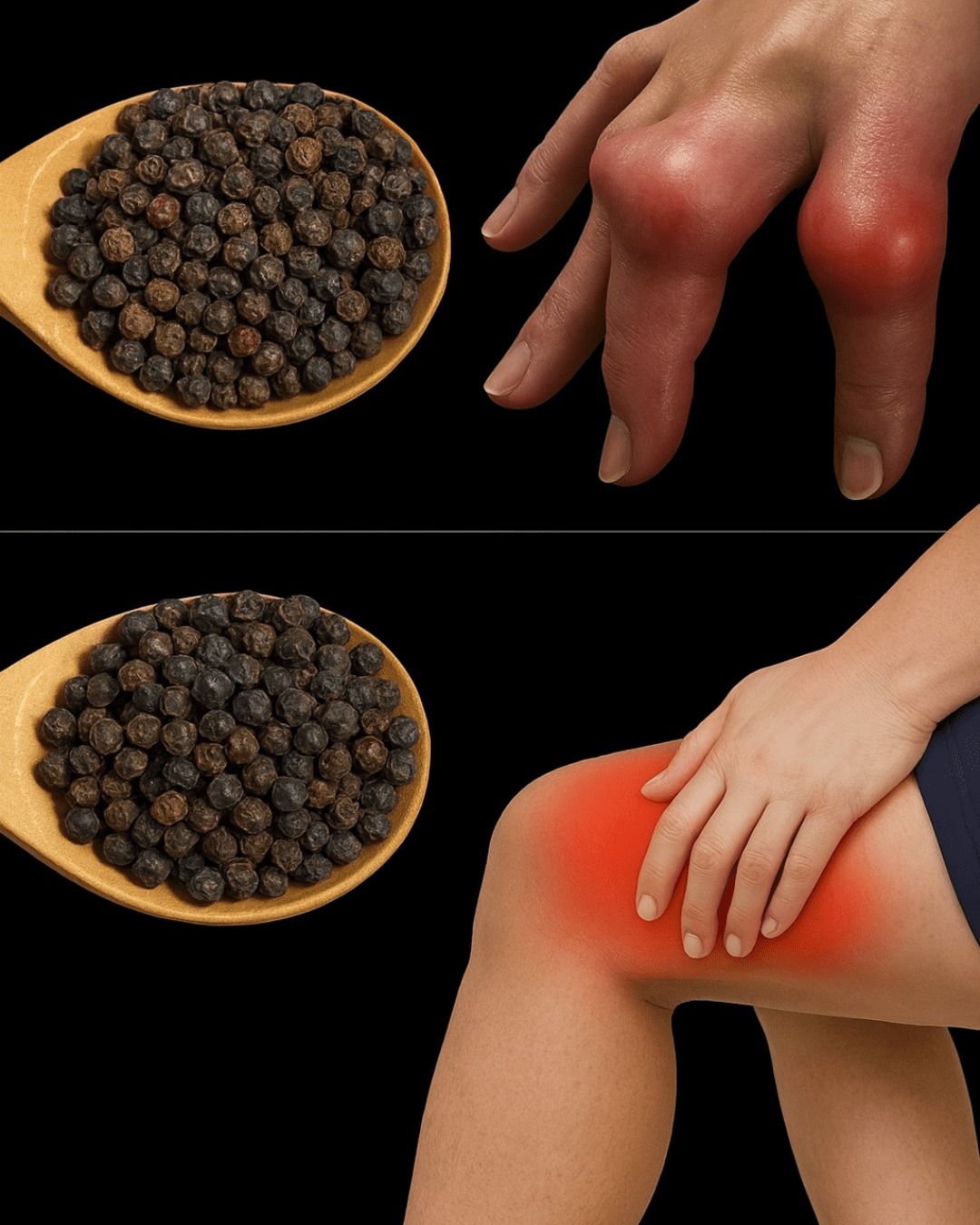
Knee pain is one of the most common ailments affecting millions of people around the world. Whether it’s caused by aging, injury, or conditions like arthritis, sore knees can limit your mobility, making everyday tasks like walking, climbing stairs, or even standing for long periods a challenge. You might have tried countless creams, medications, and therapies to relieve the pain, but what if the solution was something as simple as looking in your mirror?
Believe it or not, your posture and body alignment could hold the key to alleviating knee pain. The way you carry your body throughout the day—how you stand, walk, and even sit—can directly impact the health of your knees. In this article, we’ll explore how improving your posture and body mechanics might provide you with the relief you’ve been searching for, without relying on medications or costly treatments.
1. Understanding the Connection Between Posture and Knee Pain
Your knees are responsible for supporting much of your body weight, and poor posture can put extra strain on them. For example, when you slouch, tilt your pelvis forward, or favor one side of your body, it affects the alignment of your joints and muscles. Over time, this misalignment can lead to discomfort, pain, and even injury.
Here’s how poor posture can contribute to knee pain:
- Forward Pelvic Tilt: If you tend to stand with your pelvis tilted forward, this can cause your lower back to arch excessively and shift your body weight forward onto your knees. This adds unnecessary pressure to the knee joint, leading to pain and discomfort.
- Uneven Weight Distribution: If you have a habit of shifting more weight onto one leg, this uneven distribution can create imbalances in your muscles, putting more strain on the knee of the “favored” leg.
- Excessive Internal Rotation of the Hips: Poor hip alignment can cause your knees to turn inward, which leads to misalignment in the knee joint and increases the risk of strain and injury.
Improving your posture can help redistribute your body’s weight more evenly, reducing the pressure on your knees and alleviating pain.
2. The Power of Proper Alignment: How to Stand and Sit Correctly
One of the most effective ways to relieve knee pain is by making small changes to your everyday habits. By paying attention to your body’s alignment throughout the day, you can reduce the strain on your knees and prevent further discomfort. Here are some tips for proper posture:
A. How to Stand:
- Feet Shoulder-Width Apart: When standing, make sure your feet are aligned with your shoulders, and your weight is distributed evenly between both legs. Avoid locking your knees or standing with one leg forward, which can create imbalances.
- Slightly Bend Your Knees: Rather than standing with your knees locked straight, keep them slightly bent to help absorb shock and prevent unnecessary pressure on the knee joints.
- Engage Your Core: Stand tall with your core muscles engaged. This will help support your spine and pelvis, preventing forward tilting that can stress your knees.
- Align Your Ears, Shoulders, and Hips: Your head, shoulders, and hips should be aligned in a straight line, which helps maintain a balanced posture and prevents strain on your knees.
B. How to Sit:
- Sit with Your Feet Flat on the Floor: When sitting, make sure your feet are flat on the floor, and your knees are at a 90-degree angle. Avoid crossing your legs, as this can create imbalances in the lower body.
- Use a Supportive Chair: Choose a chair that provides good lumbar support and allows you to maintain proper posture. Avoid sitting on soft couches or chairs that encourage slouching.
- Avoid Prolonged Sitting: Sitting for long periods can stiffen your muscles and joints, including your knees. Take regular breaks to stand, stretch, and walk around to keep your joints mobile.
3. Strengthening the Muscles Around Your Knees
Strong muscles around your knees play a crucial role in providing stability and support to the knee joint. Weak thigh muscles (quadriceps) or hamstrings can lead to knee pain and instability. By strengthening these muscles, you can reduce the pressure on your knees and improve their overall function.
Here are some exercises to strengthen the muscles around your knees:
- Quad Sets: Sit with your legs extended and tighten the muscles on the top of your thigh. Hold for 5-10 seconds, then release. Repeat 10-15 times.
- Leg Raises: Lie on your back with one leg bent and the other straight. Slowly lift the straight leg about 6 inches off the floor, hold for a few seconds, and lower it. Repeat 10-15 times on each leg.
- Hamstring Curls: Stand with your knees slightly bent and bring one heel up toward your buttocks. Hold for a few seconds, then lower. Repeat 10-15 times on each leg.
- Step-Ups: Using a step or low bench, step up with one foot and bring the other foot up to join it. Step down with the same foot. Repeat 10-15 times on each leg.
4. The Role of Stretching and Flexibility
Tight muscles around the hips, thighs, and calves can contribute to knee pain by pulling on the joint and causing misalignment. Stretching these areas regularly can help maintain flexibility, improve mobility, and reduce the risk of injury.
Essential stretches for knee pain relief:
- Hamstring Stretch: Sit on the floor with one leg extended. Reach toward your toes and hold the stretch for 15-30 seconds. Repeat on the other leg.
- Quadriceps Stretch: Stand on one leg, bend the opposite knee, and bring your heel toward your buttocks. Hold your ankle with your hand and gently pull to stretch your quads.
- Calf Stretch: Stand facing a wall with one foot forward and one foot back. Press your back heel into the floor to stretch your calf muscles.
5. Consider the Impact of Weight on Your Knees
Carrying excess weight puts extra stress on your knees, which can exacerbate pain, particularly if you already have joint issues like arthritis. By maintaining a healthy weight, you can reduce the strain on your knees and improve your overall mobility.
Healthy weight management tips:
- Eat a Balanced Diet: Focus on a diet rich in fruits, vegetables, lean proteins, and whole grains to support weight loss and overall health.
- Regular Exercise: In addition to strengthening exercises, incorporate aerobic activities like walking, swimming, or cycling to improve cardiovascular health and support weight management.
Conclusion: Relief for Sore Knees Might Be Closer Than You Think
What if the relief for your sore knees was in your mirror? The way you stand, sit, and move can have a significant impact on the health of your knees. By paying attention to your posture, strengthening key muscles, and maintaining proper alignment, you can reduce knee pain and improve your overall mobility.
Incorporating these simple changes into your daily routine can make a big difference in how your knees feel, giving you the freedom to move without discomfort. If your knee pain persists or worsens, it’s always a good idea to consult with a healthcare professional for personalized advice.
