
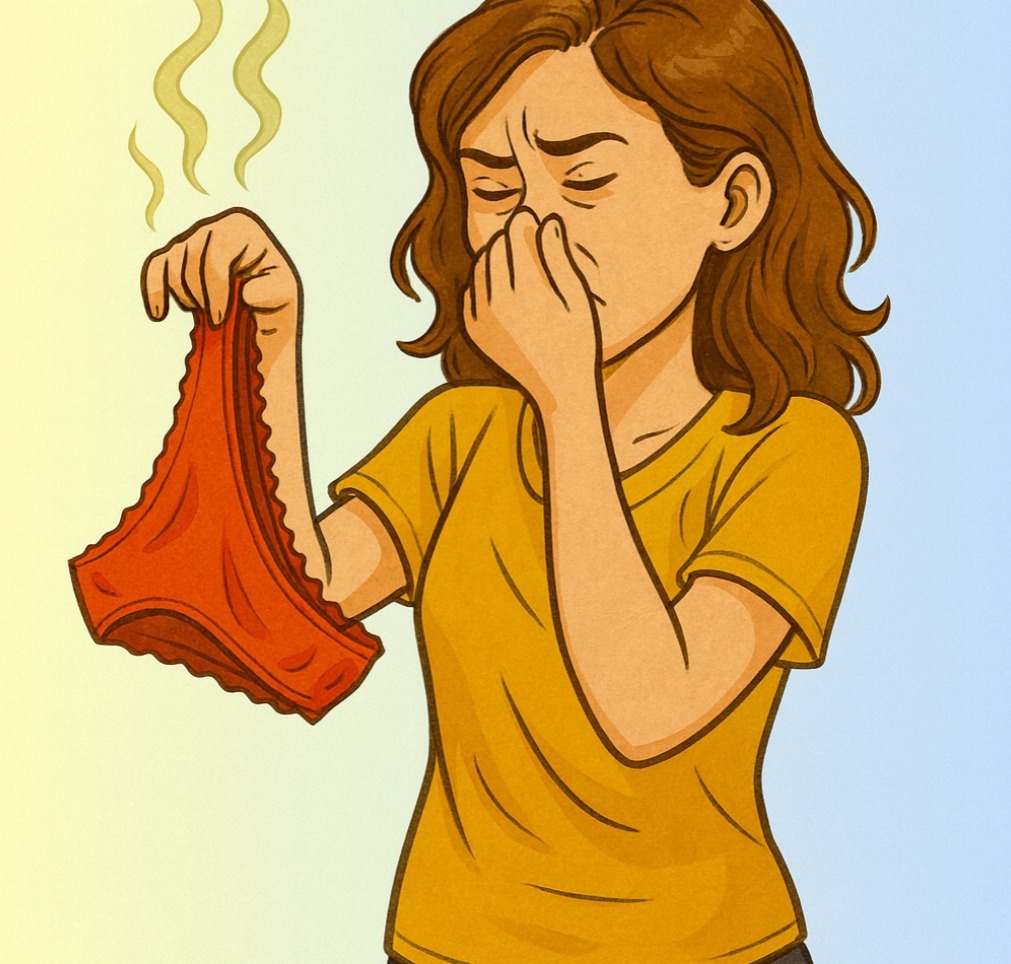
It’s something many women experience but few openly talk about: an unpleasant odor coming from the intimate area. While it can be an uncomfortable topic, it’s important to understand that occasional changes in odor are normal and often indicate the body’s natural processes at work. However, persistent or strong odors may be a sign of an underlying issue that requires attention. In this article, we explore the common reasons behind bad odors in the intimate area and offer tips on how to address and prevent them.
Common Causes of Odor in the Intimate Area:
- Bacterial Vaginosis (BV):
Bacterial Vaginosis is one of the most common causes of an unusual odor in a woman’s intimate area. It occurs when the natural balance of bacteria in the vagina is disrupted, leading to an overgrowth of harmful bacteria. BV can cause a fishy odor, particularly after sex, and may also come with other symptoms like itching, burning, or unusual discharge. If you suspect BV, it’s essential to see a doctor for proper diagnosis and treatment with antibiotics. - Yeast Infections:
A yeast infection is another common culprit behind an unpleasant odor. Caused by an overgrowth of the fungus Candida, a yeast infection can lead to symptoms such as itching, irritation, and a thick, white discharge that may have a yeasty smell. Over-the-counter antifungal treatments can often clear up yeast infections, but if the problem persists, it’s important to consult a healthcare provider. - Poor Hygiene:
While the body has its own natural cleaning mechanisms, good hygiene is still important in maintaining freshness. Sweat, urine, and menstrual blood can accumulate around the genital area, leading to unpleasant odors. Wearing tight clothing or not changing out of sweaty clothes quickly can also contribute to odor. Washing the area with mild soap and water and changing underwear regularly can help reduce the risk. - Dietary Factors:
What you eat can impact the natural scent of your body, including the intimate area. Foods like garlic, onions, spicy foods, and caffeine can alter body odor, as they contain compounds that can be released through sweat. Similarly, a diet high in sugar or refined carbs may increase the risk of yeast infections, which can lead to odor. Staying hydrated and eating a balanced diet can help maintain a fresh and healthy body. - Hormonal Changes:
Hormonal fluctuations, such as those that occur during menstruation, pregnancy, or menopause, can affect the vaginal environment. These changes may lead to temporary odors due to shifts in the body’s pH levels or changes in vaginal discharge. Menstrual blood, in particular, can sometimes cause a slight odor, which is generally nothing to worry about. If you notice an odor that persists or worsens outside of your menstrual cycle, it’s worth consulting a healthcare professional. - Sexual Activity:
Sometimes, sexual activity itself can cause temporary changes in odor. Semen, lubricants, or even friction during intercourse may alter the natural scent of the vagina. If the odor persists after sex, it might be a sign of an infection or imbalance that needs medical attention. Using barrier methods, such as condoms, can help reduce the risk of sexually transmitted infections (STIs) that may contribute to odor.
How to Prevent and Address Unpleasant Odors:
- Practice Good Hygiene:
Regularly cleaning the genital area with warm water (and mild, unscented soap if necessary) can help maintain a fresh feeling. Avoid douching, as it can disrupt the vagina’s natural pH and lead to infections. After bathing or swimming, change into clean, dry clothes to prevent bacterial growth. - Wear Breathable Fabrics:
Tight-fitting clothing, especially underwear made from synthetic materials, can trap moisture and create an environment where bacteria thrive. Choose cotton underwear and looser clothing to allow air circulation and reduce moisture buildup. - Stay Hydrated and Eat a Balanced Diet:
Drinking plenty of water and eating a diet rich in fruits, vegetables, and whole grains can support your overall health and help keep the intimate area free from unpleasant odors. Avoid excessive intake of foods that might alter your body’s natural scent. - Use Proper Feminine Products:
If you’re concerned about odor, consider using feminine hygiene products that are specifically designed to maintain freshness. However, avoid products with strong fragrances, as they can irritate the sensitive skin of the intimate area. - Consult a Healthcare Provider:
If you notice a persistent or foul odor, especially accompanied by unusual discharge, discomfort, or itching, it’s important to seek medical advice. Conditions like bacterial vaginosis, yeast infections, or sexually transmitted infections (STIs) require professional treatment.
When to Seek Medical Help:
If you experience any of the following symptoms, it’s important to visit your doctor or gynecologist:
- A strong or fishy odor that doesn’t go away
- Itching, burning, or irritation in the genital area
- Unusual or discolored discharge (e.g., green, yellow, or gray)
- Painful urination or during sex
- A sudden change in odor that wasn’t caused by menstruation or sexual activity
These could be signs of an infection or other health condition that requires treatment.
Conclusion:
A bad odor in the intimate area is something that many women experience, but it’s usually manageable and can often be prevented with good hygiene, a balanced diet, and careful attention to changes in your body. While temporary changes in odor are generally harmless, persistent or strong smells could indicate an underlying issue that needs attention. By following the advice shared in this article, you can help ensure your intimate health is in balance and seek professional care when necessary.
Disclaimer:
This article is for informational purposes only and is not intended to replace professional medical advice. If you experience any unusual or persistent symptoms, consult with a healthcare provider for proper diagnosis and treatment.
