
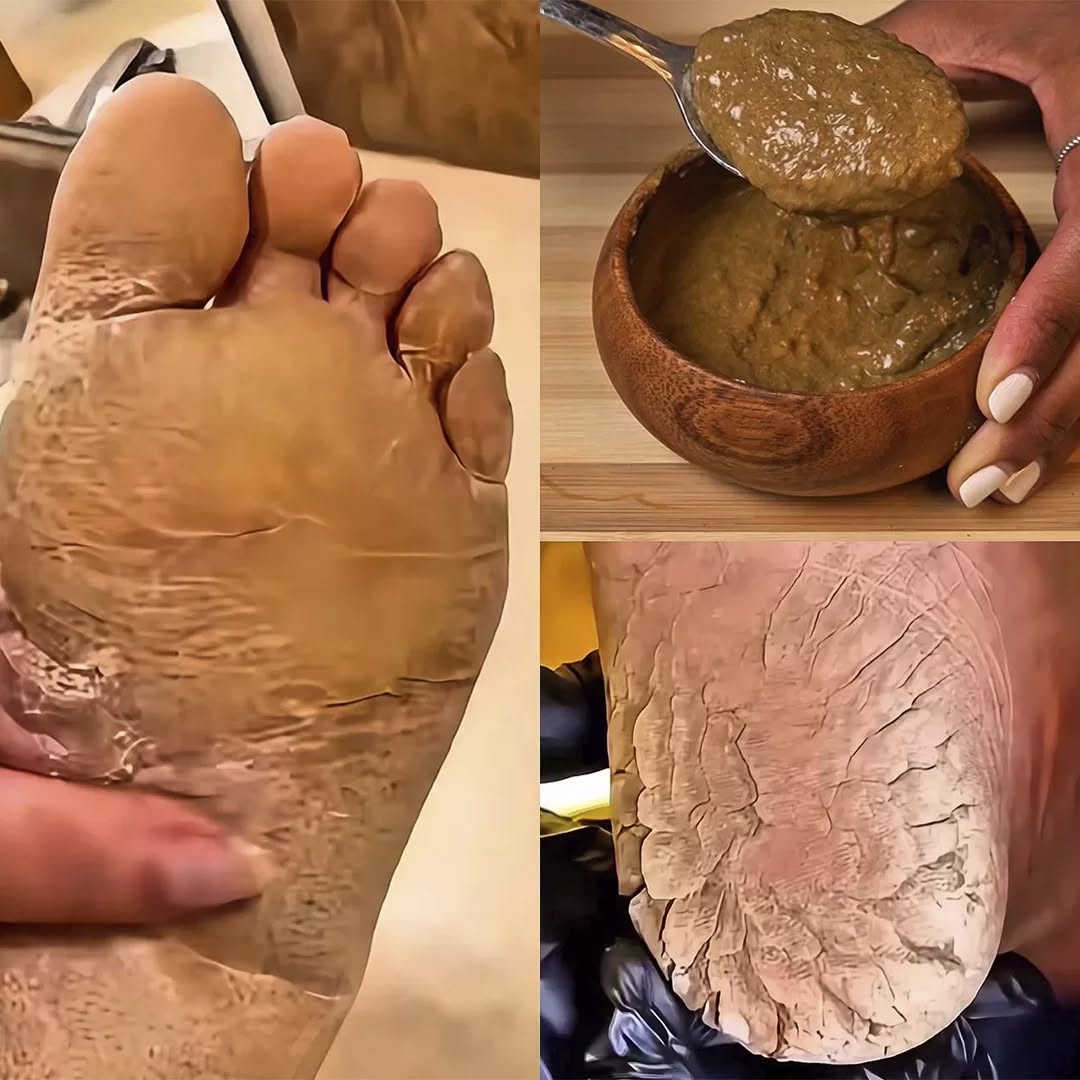
When it comes to skincare, we often focus on our faces and forget about our feet, which bear the weight of our bodies day in and day out. Dry, cracked heels and rough skin can be embarrassing and uncomfortable, but the good news is that healthy, soft feet are completely achievable with the right care and attention. In this article, we’ll explore the causes of cracked heels and share practical tips on how to achieve and maintain smooth, beautiful feet all year round.
Why Do Cracked Heels Occur?
Cracked heels, also known as fissures, are a common foot issue that many people face, especially during the colder months. The skin on your feet is naturally thicker, but it can become dry and prone to cracking for various reasons:
- Lack of Moisture:
Dry skin is the leading cause of cracked heels. When your skin loses its moisture, it becomes more susceptible to damage, especially on areas like the heels, which experience pressure from walking and standing. - Improper Footwear:
Wearing shoes that don’t provide proper support or are open-backed (such as sandals or flip-flops) can put extra pressure on the heels, leading to dryness and cracking. Tight shoes can also contribute by restricting airflow and preventing the feet from breathing properly. - Health Conditions:
Certain medical conditions like diabetes, eczema, or thyroid problems can make the skin on your feet more prone to dryness and cracking. If you have any underlying health issues, it’s important to address them to keep your feet healthy. - Prolonged Standing or Walking:
Standing or walking for long periods of time, particularly on hard surfaces, can dry out the skin and lead to cracked heels. This is especially true if you’re not wearing cushioned shoes or if your feet are frequently exposed to rough surfaces. - Environmental Factors:
Seasonal changes, particularly during the winter, can rob your skin of moisture, leading to dry, cracked heels. Cold weather, along with indoor heating, can cause the skin to lose its natural oils, which protect the feet from cracks.
How to Achieve Soft, Beautiful Feet:
- Exfoliate Regularly:
One of the most important steps in caring for your feet is regular exfoliation. Gently buff away dead skin cells using a foot scrub, pumice stone, or foot file. This helps to remove dry, flaky skin and prevent the buildup of thick layers that can lead to cracks. Exfoliate once a week to maintain smooth feet. - Moisturize Daily:
After exfoliating, apply a rich foot cream or thick moisturizer to lock in moisture. Look for products that contain ingredients like shea butter, coconut oil, or glycerin, which help hydrate and soften the skin. You can even apply a thick layer of moisturizer before bed and wear cotton socks overnight for an extra boost of hydration. - Soak Your Feet:
Soaking your feet in warm water can help soften the skin and make it easier to remove dead skin. Add Epsom salts or essential oils like lavender or tea tree oil for a relaxing, soothing experience. Soak your feet for 10-15 minutes, then exfoliate and moisturize afterward. - Wear the Right Footwear:
Choose shoes that provide proper support and cushioning. Avoid sandals or shoes with open backs that expose your heels, especially if you’re prone to cracked skin. Instead, opt for closed-back shoes that protect your feet and prevent dryness. Make sure your shoes fit well and don’t cause friction that can lead to calluses or blisters. - Stay Hydrated:
Proper hydration is key to maintaining healthy, moisturized skin. Drinking plenty of water throughout the day helps your skin stay soft and supple. If your feet are particularly dry, you might need to increase your water intake to help improve their overall condition. - Use Foot Masks or Treatments:
Foot masks and intensive treatments can provide a deep moisture boost. Many foot masks contain ingredients that hydrate and rejuvenate the skin, giving you smoother, softer feet after just one use. These treatments can be especially helpful for severely cracked heels. - Preventative Measures:
Once you achieve soft, healthy feet, make sure to take steps to maintain them. Keep your feet clean and dry, avoid walking barefoot in public places to reduce the risk of fungal infections, and continue to moisturize regularly to prevent dryness from returning.
Natural Remedies for Cracked Heels:
- Coconut Oil:
Coconut oil is known for its moisturizing properties. Apply a small amount of coconut oil to your cracked heels before bedtime, and wear socks to lock in the moisture. It can help heal dry, cracked skin and soothe irritation. - Honey:
Honey is a natural humectant, meaning it draws moisture into the skin. Use honey as a foot mask by applying it to the affected areas and wrapping your feet in a warm cloth. Leave it on for about 20 minutes before washing off. - Olive Oil:
Olive oil is another great option for moisturizing dry skin. Massage olive oil into your feet after exfoliating to keep them soft and hydrated.
When to Seek Professional Help:
While cracked heels are common, sometimes they can become severe, painful, or even infected. If you notice any of the following signs, it’s best to see a podiatrist or healthcare provider:
- Severe pain or bleeding from cracked heels
- Redness, swelling, or pus, which may indicate infection
- Fissures that won’t heal despite home treatments
- If you have diabetes or another condition that affects circulation, as cracked heels can lead to more serious complications
Conclusion:
Cracked heels don’t have to be a permanent issue. With the right care, attention, and a consistent skincare routine, you can transform your feet from rough and dry to soft and beautiful. Exfoliation, moisturizing, and wearing the right footwear are key to maintaining healthy feet, and with natural remedies and professional treatments available, there’s no reason you can’t keep your feet feeling and looking their best. Treat your feet right, and they’ll thank you with softness and comfort all year long!
Disclaimer:
This article is for informational purposes only and is not intended as medical advice. If you have any underlying health conditions or if your cracked heels don’t improve with at-home treatments, consult a healthcare professional for further advice and treatment.
