
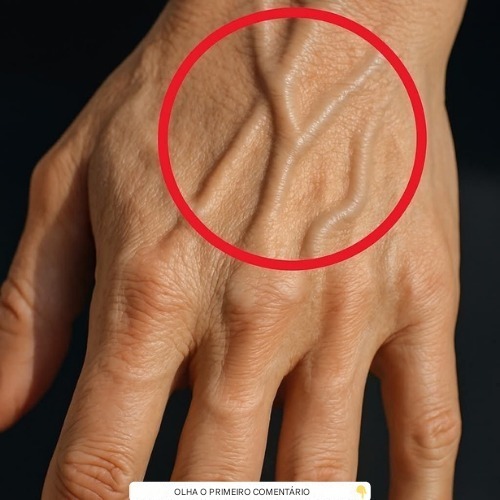
How to Eliminate Varicose Veins: The Truth Behind the Toothpaste Remedy
Varicose veins are a common condition that affects millions of people, typically in the legs. They occur when veins become enlarged, twisted, and visible beneath the skin, leading to discomfort, swelling, and sometimes pain. While various medical treatments exist to address varicose veins, many people are drawn to home remedies—one of the most surprising being toothpaste.
But can toothpaste really eliminate varicose veins? In this article, we’ll explore the truth behind this viral claim, discuss potential treatments for varicose veins, and provide you with useful information on how to approach this common health concern.
What Are Varicose Veins?
Before diving into potential remedies, it’s important to understand what varicose veins are and why they develop.
Varicose veins occur when the valves in your veins that help blood flow properly become weakened or damaged. This causes blood to pool in the veins, making them enlarge and become more visible. While varicose veins are often seen as a cosmetic issue, they can cause symptoms like:
- Swelling and heaviness in the legs
- Pain or throbbing, especially after standing for long periods
- Skin discoloration around the affected veins
- In more severe cases, ulcers or blood clots can form
Common risk factors for varicose veins include age, pregnancy, standing for extended periods, and genetics.
The Toothpaste Claim: Can It Really Work?
You may have seen viral articles or social media posts claiming that toothpaste can help eliminate varicose veins. These claims often suggest that applying toothpaste to the affected area can reduce the appearance of the veins and alleviate discomfort.
What’s Behind the Toothpaste Remedy?
The idea behind using toothpaste for varicose veins is rooted in the belief that certain ingredients in toothpaste, like menthol and eucalyptus, have cooling or soothing effects that could help with the discomfort associated with varicose veins. Some people believe that these ingredients might reduce inflammation and improve circulation, thus reducing the appearance of varicose veins. However, there is no scientific evidence to support this claim.
The Truth About Toothpaste and Varicose Veins
While toothpaste may temporarily soothe the skin due to its cooling properties, it does not address the underlying causes of varicose veins. The active ingredients in toothpaste are not designed to penetrate deeply enough into the skin to affect the veins themselves. Therefore, while toothpaste might provide a mild, temporary relief from the discomfort, it is not a solution for eliminating varicose veins or improving vein health.
Effective Treatments for Varicose Veins
While toothpaste won’t eliminate varicose veins, there are medically-approved treatments that can effectively reduce or eliminate them. Let’s take a look at some of the most popular and effective treatment options.
1. Compression Stockings
One of the most widely recommended treatments for varicose veins is the use of compression stockings. These specialized stockings apply gentle pressure to the legs, helping improve blood flow and reduce swelling. Compression stockings can also alleviate the pain and heaviness that often accompany varicose veins.
2. Sclerotherapy
Sclerotherapy is a minimally invasive procedure that involves injecting a solution directly into the varicose veins. This solution causes the veins to collapse and eventually fade away. Sclerotherapy is typically used for smaller varicose veins and spider veins, and it is considered a safe and effective treatment option.
3. Laser Therapy
Laser therapy involves using focused light to treat varicose veins. This treatment works by causing the vein to close and gradually fade over time. Laser therapy is non-invasive and typically used for smaller veins or for people who prefer not to undergo surgical procedures.
4. Endovenous Laser Treatment (EVLT)
Endovenous laser treatment (EVLT) is a more advanced version of laser therapy. In this procedure, a catheter is inserted into the affected vein, and a laser is used to heat the vein from the inside, causing it to shrink and seal off. This procedure is highly effective for treating larger varicose veins and is usually done on an outpatient basis.
5. Vein Stripping Surgery
In more severe cases, vein stripping surgery may be recommended. This procedure involves surgically removing the affected veins. Although it’s more invasive and requires a longer recovery time, vein stripping is a highly effective way to eliminate large, problematic varicose veins.
Home Remedies for Relief
While no home remedy can completely eliminate varicose veins, certain practices may help reduce symptoms and prevent the condition from worsening. Here are a few natural options that might offer relief:
1. Elevate Your Legs
Elevating your legs can help improve blood flow and reduce the swelling and discomfort associated with varicose veins. Try lying down and propping your legs up on a pillow for 15–20 minutes a few times a day.
2. Stay Active
Regular exercise, such as walking, cycling, or swimming, can improve circulation and help prevent varicose veins from developing or worsening. Exercise strengthens the calf muscles, which are responsible for pumping blood back to the heart.
3. Apple Cider Vinegar
Apple cider vinegar is often touted as a home remedy for improving circulation and reducing the appearance of varicose veins. While there is no scientific evidence to support this, some people find that massaging apple cider vinegar into the skin helps them feel relief from discomfort.
4. Healthy Diet
Maintaining a healthy diet rich in fiber and low in sodium can help prevent the development of varicose veins. Foods like leafy greens, berries, and citrus fruits can help support healthy circulation and prevent blood from pooling in the veins.
Final Thoughts: Know What Works
While the idea of using toothpaste to eliminate varicose veins may be tempting, it’s important to understand that there’s no scientific backing for this claim. For lasting results, it’s best to seek professional medical advice and explore proven treatments like compression stockings, sclerotherapy, or laser therapy.
If you’re struggling with varicose veins, don’t hesitate to consult a doctor or vascular specialist. They can help you determine the most effective treatment plan based on the severity of your condition and your overall health.
In the meantime, consider trying home remedies for relief from discomfort, but remember that these will not eliminate the veins themselves. Stay active, elevate your legs, and support your veins with a healthy lifestyle.
