
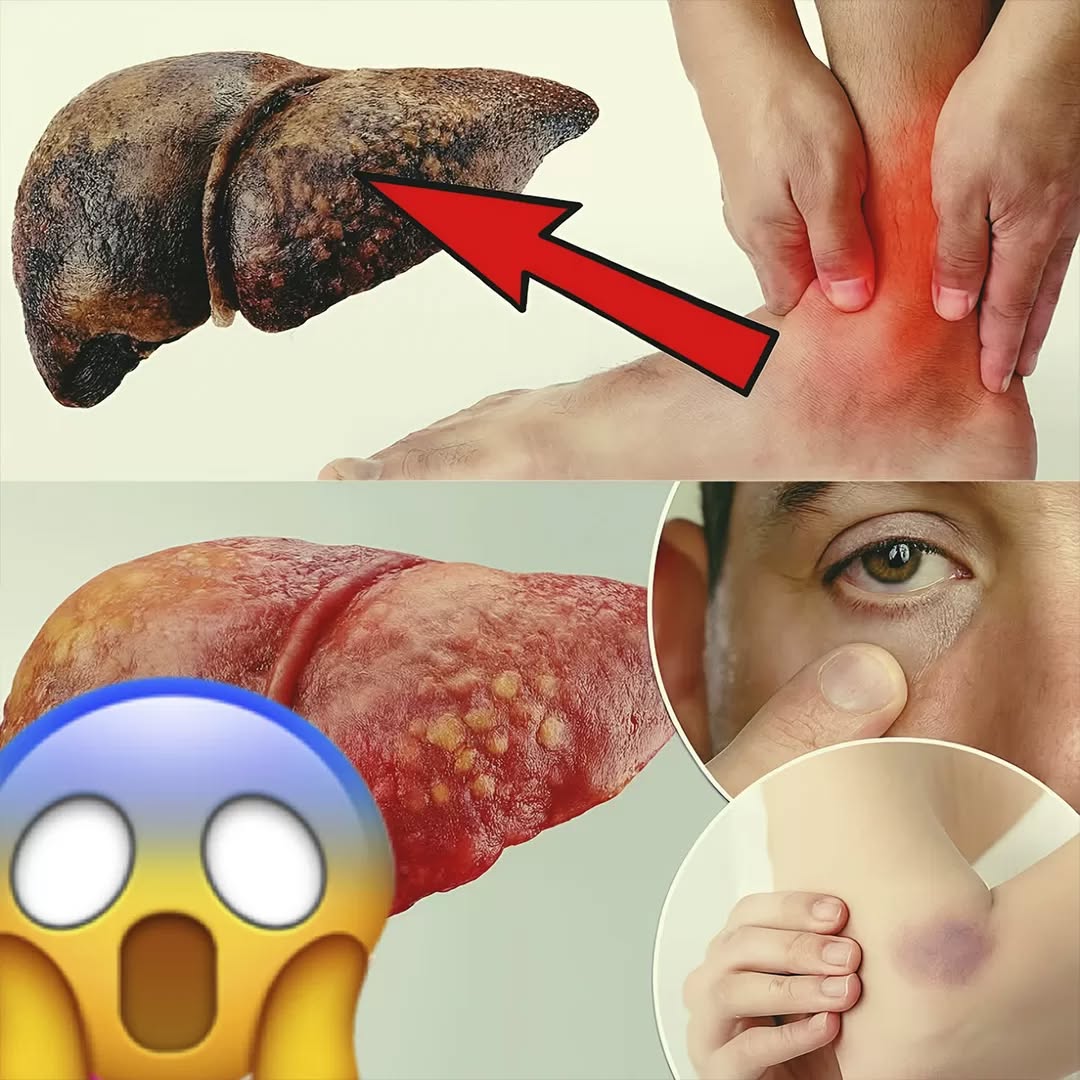
We all have days when we feel sluggish, tired, or just “off,” but if you’re eating what you consider a “normal” diet and still experiencing constant fatigue, digestive discomfort, or bad breath, it could be a sign that your liver is struggling. Your liver plays a crucial role in detoxifying your body, processing nutrients, and keeping everything running smoothly. When it’s overloaded or not functioning properly, it can send out red flags in the form of symptoms like feeling heavy, having low energy, or dealing with persistent bad breath.
So, what exactly are these warning signs, and what can you do about it? Let’s dive into some of the most common symptoms that could indicate your liver is in distress and how you can support it.
1. Feeling Heavy or Bloated, Even After Eating Light Meals
If you’ve ever felt like you’ve eaten something “heavy” even after a light meal or have a constant feeling of bloating, your liver might be giving you a warning. A sluggish liver can impair the body’s ability to process food properly, leading to uncomfortable feelings of fullness or bloating.
How It Happens:
- When your liver isn’t functioning optimally, it can’t break down fats efficiently. This causes your digestive system to slow down, leading to that uncomfortable bloated or heavy feeling after eating, even when the meal itself wasn’t too large.
- The liver is also responsible for metabolizing carbohydrates and proteins, and when it’s overburdened, you might notice digestion issues like gas, indigestion, or an overall feeling of being “stuffed.”
What You Can Do:
- Support your liver: Eating liver-friendly foods like leafy greens, beets, and citrus fruits can help detoxify and promote better digestion.
- Avoid processed foods: Cutting back on processed and fatty foods can reduce the strain on your liver and improve digestion.
2. Low Energy or Fatigue That Doesn’t Go Away
Feeling perpetually tired, even after a full night’s sleep, could be a sign that your liver isn’t performing its usual detoxification role. Your liver is responsible for metabolizing fats, storing vitamins, and producing proteins that are crucial for energy. When it’s not functioning properly, it can result in a constant feeling of exhaustion.
How It Happens:
- When your liver is overwhelmed by toxins or fatty deposits (as in fatty liver disease), it can’t effectively process energy from food or detoxify your system. As a result, your body may lack the fuel it needs to keep your energy levels up, leading to constant fatigue.
- Liver issues can also lead to a build-up of waste products in the bloodstream, making you feel sluggish and drained.
What You Can Do:
- Hydrate: Drinking plenty of water helps your liver flush out toxins.
- Increase antioxidant-rich foods: Foods like berries, avocado, and green tea help support liver health and provide natural energy.
- Get moving: Regular exercise stimulates liver function and helps improve circulation, which can boost your energy levels.
3. Bad Breath or a Persistent Sour Taste in Your Mouth
If you’ve noticed that your breath constantly smells off, even after brushing your teeth or chewing gum, this could be a sign of liver dysfunction. A common symptom of liver problems is a condition called fetor hepaticus, which gives off a musty or sweet odor from the mouth.
How It Happens:
- When the liver isn’t properly detoxifying, toxins can build up in your system and start circulating in your breath. These toxins, like ammonia, are normally processed by a healthy liver, but when the liver is struggling, they may be released through your breath.
- This is often seen in liver disease or cirrhosis, where the liver’s ability to filter waste is significantly impaired.
What You Can Do:
- Eat liver-friendly foods: Garlic, lemon, and turmeric are all great for supporting liver detoxification.
- Maintain good oral hygiene: Brushing your teeth and tongue regularly, along with flossing, can help manage bad breath, but addressing liver health is key to long-term improvement.
- Visit a doctor: If bad breath persists, it’s a good idea to talk to your healthcare provider to rule out any underlying liver issues.
4. Unexplained Weight Gain or Difficulty Losing Weight
Struggling with weight gain or finding it hard to shed those extra pounds, even when you’re eating a balanced diet, could be another sign your liver is in need of attention. A sluggish liver doesn’t process fats as efficiently, and this can lead to fat accumulation, especially around the abdomen.
How It Happens:
- Your liver is responsible for metabolizing fats and storing energy. If it’s overburdened (due to excess alcohol, processed foods, or a build-up of toxins), it can result in fatty liver disease. This condition makes it more difficult for your liver to break down fats, leading to unwanted weight gain.
- As the liver becomes more stressed, its ability to regulate metabolism and blood sugar is impaired, which can further contribute to weight problems.
What You Can Do:
- Eat liver-supporting foods: Incorporate more cruciferous vegetables like broccoli and kale, which can help cleanse the liver.
- Cut back on sugar and processed foods: These foods contribute to fatty liver and can make it more difficult to lose weight.
- Exercise regularly: Physical activity helps the liver process and eliminate fat more effectively.
5. Jaundice (Yellowing of the Skin or Eyes)
Jaundice is one of the most obvious signs that your liver is in trouble. This condition causes your skin and the whites of your eyes to turn yellow due to a build-up of bilirubin, a substance that the liver normally processes and excretes.
How It Happens:
- When the liver is damaged or diseased, it can’t properly filter bilirubin from the blood, leading to a build-up. This results in yellowing skin, eyes, and sometimes even urine.
What You Can Do:
- See a doctor immediately: Jaundice is a serious symptom that requires medical attention, as it can be a sign of liver disease, hepatitis, or cirrhosis.
The Bottom Line:
If you’ve noticed that you’re feeling sluggish, bloated, or dealing with bad breath, even though you’re eating a “normal” diet, your liver could be trying to tell you something. It’s crucial to listen to your body and make adjustments that support liver health. By eating liver-friendly foods, staying hydrated, and exercising regularly, you can give your liver the care it needs to function properly.
Your liver is essential to your overall health, so it’s important to take proactive steps to protect it. If you’re experiencing any of the symptoms mentioned here, don’t ignore them — take action now and consult with a healthcare provider for further guidance.
Call to Action:
Have you experienced any of these symptoms or had issues with your liver health? Check the first comment for more signs to watch out for and share your thoughts below — let’s talk about how we can all support our liver for better health!
