
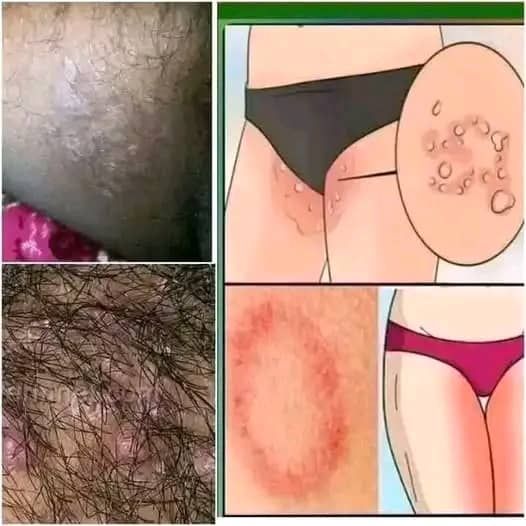
Itching is a hallmark symptom of many groin rashes. Some rashes may also cause a burning or stinging feeling, especially after sweating or friction. Persistent itching can be uncomfortable and may lead to scratching, which can worsen the rash and cause secondary infections.
Tip: Use gentle, fragrance-free cleansers and avoid scratching to allow the skin to heal naturally.
3. Small Bumps or Blisters
Certain groin rashes manifest as tiny bumps or fluid-filled blisters. These can be a sign of fungal infections like jock itch, bacterial infections, or contact dermatitis.
The bumps may:
- Appear clustered or spread in patches
- Be raised or flat
- Cause mild discomfort
Prompt hygiene measures and, in some cases, antifungal creams may be necessary to treat these symptoms.
4. Flaking, Scaling, or Peeling Skin
Dry, flaky, or peeling skin is another common sign of a groin rash. This often happens when the skin is exposed to moisture, friction, or fungal overgrowth.
Prevention tip: Keep the area clean and dry, and consider using absorbent powders or breathable fabrics to reduce moisture buildup.
5. Pain or Tenderness
Some rashes can cause pain or soreness, especially when moving, walking, or during physical activity. Inflammation or secondary infections can make even simple movement uncomfortable.
If the pain is severe or persistent, it’s important to consult a healthcare professional to rule out infections or other underlying conditions.
