
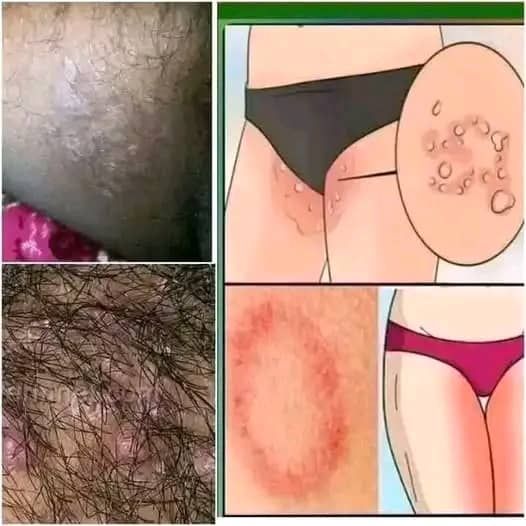
Certain groin rashes, particularly fungal or bacterial infections, can produce a distinctive odor. This is often due to sweat interacting with bacteria or fungi in the area. Maintaining good hygiene and using moisture-wicking clothing can help manage odor and reduce the risk of infection.
7. Dark or Discolored Patches
Some rashes may cause hyperpigmentation, leading to darker patches of skin in the groin area. This can occur after irritation, inflammation, or long-term friction. While discoloration is usually harmless, it can be treated with gentle moisturizers and avoiding further irritation.
Common Causes of Groin Rashes
- Fungal infections (e.g., jock itch) – thrive in warm, moist environments
- Bacterial infections – often from poor hygiene or skin damage
- Allergic reactions – from soaps, detergents, or lotions
- Heat rash – caused by excessive sweating
- Skin conditions – like eczema or psoriasis
Prevention and Care Tips
- Keep the area clean and dry: Shower after sweating and dry thoroughly.
- Wear breathable clothing: Cotton underwear or moisture-wicking fabrics reduce friction.
- Avoid harsh products: Use gentle soaps and unscented lotions.
- Maintain hygiene: Change underwear daily and after exercise.
- Seek medical advice: If rashes persist, worsen, or are painful, consult a doctor for proper diagnosis.
Conclusion
Groin rashes can be uncomfortable, but recognizing the early signs — redness, itching, bumps, flaking, pain, odor, and discoloration — can help you take action before the problem worsens. Most cases can be managed with good hygiene, breathable clothing, and topical treatments. If symptoms persist or intensify, seeking medical advice ensures proper treatment and prevents complications.
